

Event fleets
A practical guide to coordinating wedding guest transport
Plan pickup clusters, vehicle mix, guest contacts, reporting windows, and event-day changes under one transport plan.
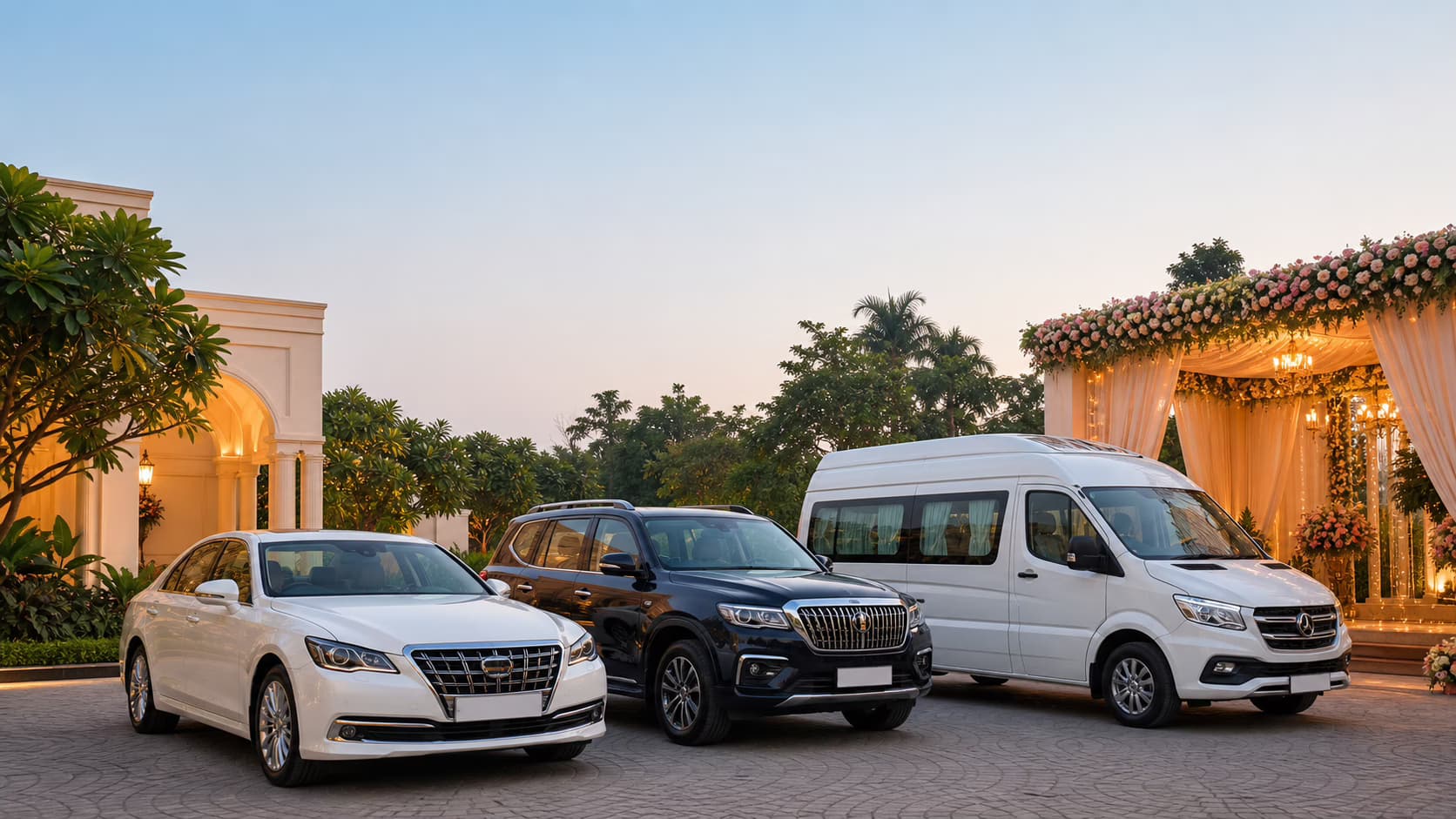
Organise guests into pickup clusters
Start with arrival point, hotel, home area, venue, and reporting time. Group guests by nearby pickup locations instead of assigning a vehicle to every individual too early. This makes the fleet requirement easier to estimate and gives operations room to optimise routes.
Keep senior guests, families with children, and people with mobility needs visible in the plan. Their pickup windows and vehicle fit may need to be handled separately.
Build the vehicle mix around movements
Wedding transport often needs different vehicles at different times. Airport arrivals may suit sedans, family transfers may need SUVs, and a traveller can handle a larger hotel-to-venue movement.
List each movement with its passenger estimate and time window. The result is more reliable than ordering a fixed number of cars without connecting them to actual routes.
Create one source of truth
Maintain one live plan for vehicle registration, driver contact, pickup lead, guest group, reporting time, and current status. Sending separate spreadsheets and chat messages to multiple vendors creates conflicting versions exactly when the event becomes busiest.
Nominate one family or event-team contact for decisions and one backup. Drivers should not have to resolve guest-list or route conflicts independently.
Plan for controlled change
Flights move, functions run late, and guest counts change. Set a cutoff for major route or vehicle changes, while keeping a clear channel for day-of exceptions. Ask how waiting, additional kilometres, and extra hours will be recorded.
After the event, reconcile actual movements against the agreed plan. A structured record makes settlement fairer for both the organiser and fleet partners.